Feeding Your Newfie Puppy

The Essential Guide to Feeding Newfoundland Puppies During Their First Year

Newfoundland dogs are one of the most beloved large breeds known for their gentle nature, intelligence, and impressive size. When you bring a Newfoundland puppy into your home, you’re not just gaining a companion, but also taking on the responsibility of properly nourishing a rapidly growing, large-breed dog. The first year of life is crucial for a Newfoundland puppy’s development, and their diet plays a vital role in ensuring healthy growth and long-term well-being.

This guide will provide you with everything you need to know about feeding your Newfoundland puppy during its first year, including the appropriate types of food, feeding schedules, and portion sizes.

  1. Understanding Nutritional Needs of Newfoundland Puppies

Newfoundland puppies are large-breed dogs, meaning they grow at a different rate compared to smaller breeds. This affects their nutritional needs in several ways. During their first year, these puppies go through a period of rapid growth, and their bodies require a balanced diet to support healthy muscle, bone, and organ development.

Key nutrients that are especially important for Newfoundland puppies include:

  • Protein: Protein is essential for muscle development and repair. Look for puppy food with high-quality sources of animal-based protein like chicken, lamb, or fish. A general guideline is that a Newfoundland puppy’s food should contain at least 20-30% protein.
  • Fat: Healthy fats are necessary for energy and the development of brain and eye function. A fat content of around 8-15% in puppy food is typically suitable for large-breed puppies.
  • Calcium and Phosphorus: These minerals are crucial for bone development. However, large-breed puppies like Newfoundlands should not receive excessive calcium, as this can lead to skeletal problems. The ideal calcium-to-phosphorus ratio is 1.2:1.
  • Vitamins and Minerals: Essential vitamins such as A, D, and E support immune function, while minerals like zinc and magnesium aid in overall health. A balanced puppy food formula should provide these nutrients in appropriate amounts.
  1. Choosing the Right Puppy Food

When selecting food for your Newfoundland puppy, it’s essential to pick high-quality products that cater specifically to large-breed dogs. A balanced diet tailored to large breeds will help control the growth rate and prevent joint problems later in life.

Here are a few things to consider when choosing the right food:

  • High-Quality Ingredients: Choose puppy food with real animal protein (like chicken or beef) listed as the first ingredient. Avoid foods that contain fillers such as corn, wheat, or soy.
  • Large-Breed Formulas: Many pet food brands offer specific formulas for large-breed puppies. These foods typically have controlled levels of calcium, phosphorus, and protein to support gradual growth and prevent rapid weight gain that could stress growing bones and joints.
  • Grain-Free or Whole Grains?: Some Newfoundlands may have sensitivities to grains. If you notice any gastrointestinal distress or skin issues, consider trying a grain-free formula or one that uses easily digestible grains such as rice or oats.
  1. Feeding Schedules for Newfoundland Puppies

Proper feeding schedules ensure that your Newfoundland puppy grows at a healthy pace. Overfeeding or feeding too much at once can lead to obesity, which is particularly concerning for large breeds prone to joint issues.

Puppy Age and Feeding Frequency:

  • Up to 3 months: At this age, your puppy should be fed 4 meals per day. Their tiny stomachs need smaller portions more frequently to meet their energy needs.
  • 3 to 6 months: You can gradually reduce the feeding frequency to 3 meals per day, as their stomach capacity increases, and they require more substantial portions.
  • 6 to 12 months: As your Newfoundland approaches its first birthday, you can switch to feeding twice a day. Ensure that each meal contains enough calories to sustain your puppy’s energy needs as it continues to grow.

Portion Sizes:

The portion size for a Newfoundland puppy will depend on its weight and activity level. Most commercial puppy foods provide guidelines on the packaging based on your puppy’s current weight. However, it’s important to monitor their body condition and adjust portions accordingly to avoid overfeeding.

  1. How Much to Feed

As a large-breed puppy, your Newfoundland will need a significant amount of food, but it’s important not to overdo it. Overfeeding can contribute to obesity and may put unnecessary strain on your puppy’s developing joints.

  • Puppy Food Caloric Requirements: Depending on your Newfoundland’s weight, most large-breed puppies will need between 1,000 to 2,000 calories per day in the first year. If your puppy is particularly active, it might require more.
  • Monitor Weight and Growth: A healthy Newfoundland puppy should maintain steady growth without becoming excessively chubby. If your puppy’s ribs are difficult to feel, it may be overfed. On the other hand, if your puppy is too thin, you may need to increase the food intake.
  1. Special Considerations for Large Breeds

Newfoundland puppies are prone to certain health concerns that can be affected by their diet. These include hip and elbow dysplasia, as well as bloat (gastric torsion). Here are a few considerations to keep in mind:

  • Joint Health: Large-breed puppies, including Newfoundlands, can suffer from joint issues like hip dysplasia if their bones and joints grow too quickly. Feeding a formula specifically designed for large-breed puppies that controls the levels of calcium and phosphorus can help ensure proper development.
  • Bloat (Gastric Dilatation-Volvulus): This is a serious condition in which the stomach fills with gas and may twist. To help prevent bloat, feed your Newfoundland multiple smaller meals throughout the day and avoid vigorous exercise immediately before or after meals.
  1. Transitioning to Adult Food

Around the age of 12 months, you can begin transitioning your Newfoundland puppy to adult dog food. However, because Newfoundlands are large dogs that mature slowly, some owners continue feeding puppy food until they reach 18 months of age. Consult your veterinarian for guidance on the best timing for transitioning.

  1. Consult Your Veterinarian

Finally, always work closely with your veterinarian when it comes to the health and feeding of your Newfoundland puppy. Your vet can help guide you on the best food brands, portion sizes, and feeding schedules based on your puppy’s individual growth and health needs.

Conclusion

Feeding your Newfoundland puppy properly during their first year is essential for their healthy development and long-term well-being. Providing high-quality, nutrient-rich puppy food designed for large breeds, following appropriate feeding schedules, and monitoring their growth will help ensure that your Newfoundland grows up strong, happy, and healthy. Don’t hesitate to reach out to your vet for personalized recommendations to ensure your puppy receives the best nutrition for its specific needs.

Sources:

  • American Kennel Club (AKC). (2024). “Newfoundland Dog.” AKC. akc.org
  • The Whole Dog Journal. (2022). “Feeding Large-Breed Puppies.” Whole Dog Journal. whole-dog-journal.com
  • PetMD. (2023). “What to Feed a Puppy: Nutrition Guidelines.” PetMD. petmd.com
  • The American College of Veterinary Surgeons (ACVS). (2024). “Hip Dysplasia in Dogs.” acvs.org


Fun for all Ages

Fun for all ages

This question has been asked of us in the past and we don’t ever want to make a decision for anyone on what they feel is appropriate for them.  We do want to, however, give people as much good information as possible in making their decisions in having a Newfi new best friend and companion. As quoted from Robin Morgan “Knowledge is power. Information is power.”

Why Newfoundland Dogs Are a Great Dog for Both Young and Old

When it comes to choosing the ideal family dog, few breeds offer the balance of gentleness, loyalty, and versatility quite like the Newfoundland. Known for their calm demeanor and remarkable intelligence, these gentle giants are often considered the perfect companions for families, whether they include young children or elderly individuals. Let’s explore the unique qualities of Newfoundland dogs that make them an ideal choice for households of all ages.

  1. Gentle Giants: Calm and Patient with Kids

Newfoundlands are famously known for their calm and patient temperament, making them excellent companions for families with young children. The breed’s naturally gentle nature allows them to interact with kids in a way that is both affectionate and controlled. According to the American Kennel Club (AKC), Newfies are one of the most patient and tolerant dog breeds, often becoming attached to children and offering them comfort and companionship (AKC, 2024).

Newfoundlands tend to be very laid-back, meaning they are less likely to get overstimulated or reactive when playing with children or out on a walk with their senior companion. Their large size may initially seem intimidating, but they are generally very careful not to hurt smaller family members. This makes them a safe and dependable option for parents who want a dog that can integrate seamlessly into a bustling home environment.

  1. Protective Nature: A Loyal Family Guardian

Newfoundland dogs are known for their strong protective instincts, which make them excellent guardians for families. They are highly alert and attentive, often keeping a watchful eye on their family members without being overly aggressive. This protective instinct is particularly comforting for elderly individuals who may feel more vulnerable in their day-to-day activities.

While Newfoundland dogs are not typically aggressive, their size and deep bark can be enough to deter potential intruders. Their presence offers peace of mind to families of all ages, knowing that their dog will look out for them in times of need. Interestingly, Newfoundlands were originally bred as working dogs in harsh, cold environments, tasked with water rescues. This instinctive loyalty and willingness to help is deeply ingrained in the breed’s DNA (Miller, 2023).

  1. Low-Energy, Easygoing Companions

Another reason why Newfoundland dogs make great companions for both young and old is their generally easygoing nature. While they are large and powerful dogs, they are not overly energetic like some other large breeds. Newfoundlands enjoy moderate exercise but are content with leisurely walks and a comfortable resting space indoors. This makes them well-suited for households where physical activity might be limited due to age or mobility concerns.

For seniors or people with limited mobility, the Newfoundland’s relaxed demeanor means they won’t require hours of strenuous play or running. Their low-maintenance energy levels ensure that they are not overwhelming or demanding, while still providing the companionship and affection that many people desire in a dog.

  1. Affectionate and Social: A Best Friend for Life

Newfoundlands are known for forming close bonds with their families. They are extremely affectionate and enjoy being around their loved ones. This is true for both children and elderly individuals alike. According to the Canadian Kennel Club (CKC), Newfoundlands thrive on human interaction and often form strong attachments to those they live with. They are known for their ability to pick up on their family’s emotions, offering a comforting presence when needed (CKC, 2024).

This makes Newfoundlands particularly ideal for elderly individuals who may experience loneliness. Their loyal, calm, and attentive nature means they will offer unwavering companionship, providing emotional support when necessary. For families with young children, Newfoundlands are equally loving, offering both a source of entertainment and a safe, nurturing presence in the home.

  1. Training and Intelligence: Easy to Handle for All Ages

Despite their large size, Newfoundland dogs are relatively easy to train. They are highly intelligent and eager to please, which makes training them straightforward. This characteristic is especially helpful for families with young children, as it allows the dog to understand household rules and routines more quickly. For elderly dog owners, this intelligence also means less stress when it comes to behavior management.

Newfoundlands excel in obedience training and respond well to positive reinforcement. Their calm demeanor allows them to learn commands effectively, making them reliable and well-behaved companions in any household. As such, training them does not require a significant amount of time or effort, even for those who may be new to dog ownership or for elderly individuals who want a dog that is easy to manage.

  1. Health and Longevity

Newfoundlands, while generally healthy dogs, do have some breed-specific health concerns. However, they are typically long-lived for a large breed, often living anywhere from 8 to 12 years with proper care. Their overall health can benefit from routine check-ups, a balanced diet, and moderate exercise.

Elderly owners may appreciate that Newfoundlands are not prone to high-energy demands that could complicate their care. Additionally, their health needs are manageable with regular veterinary visits, and many owners find that their Newfoundland’s calm and affectionate nature contributes to their emotional well-being, enhancing the lives of their families (Royal Veterinary College, 2024).

Conclusion

In conclusion, Newfoundland dogs make an exceptional choice for families with members of all ages, from young children to the elderly. Their gentle and patient nature, protective instincts, moderate energy levels, and intelligence combine to create a breed that fits seamlessly into a variety of living situations. Whether providing companionship to a child or emotional support to an older adult, Newfoundlands are undoubtedly one of the most versatile and loving dogs you can have in your home.

If you’re looking for a dog that combines affection with reliability, the Newfoundland is the breed for you. With their heart of gold, Newfoundlands have earned their place as one of the best family dogs, offering love, loyalty, and a steady presence that will make them a treasured member of your household for years to come.

Sources:

  • American Kennel Club. (2024). Newfoundland. AKC
  • Canadian Kennel Club. (2024). Newfoundland Dog. CKC
  • Miller, J. (2023). The History and Care of the Newfoundland Dog. DogBreedInfo.com
  • Royal Veterinary College. (2024). Understanding Dog Health. RVC

The Health Benefits of Having Dogs

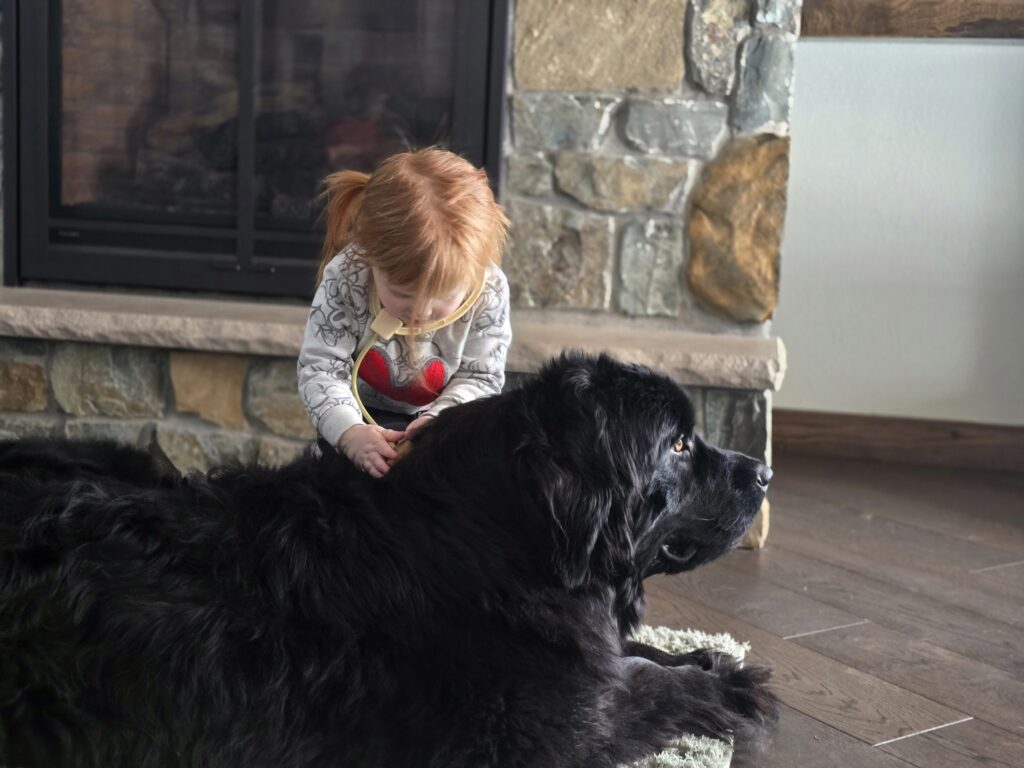
Child playing with Newfoundland Dog

It’s a new year and many of us are making those New Years Resolutions for a healthier life. Whether it is physical or mental health what if I told you that I have something that could help with both and it has four legs and a waggly tail.

Dogs have long been celebrated as “man’s best friend,” but their impact on human health extends far beyond companionship. Numerous studies highlight the myriad health benefits associated with dog ownership, ranging from physical health improvements to mental well-being.

1. Physical Health Benefits

One of the most significant advantages of having a dog is the increase in physical activity. Dog owners are more likely to engage in regular exercise, as dogs require daily walks and playtime. A study published in the Journal of Physical Activity and Health found that dog owners are 54% more likely to meet daily physical activity recommendations compared to non-owners (Cutt et al., 2008). This increased activity can lead to lower rates of obesity and associated health conditions such as heart disease and diabetes.

2. Mental Health Improvements

In addition to physical benefits, dogs can have profound effects on mental health. Interactions with dogs can decrease levels of cortisol, a stress hormone, and increase the production of serotonin and dopamine, which can enhance mood. Research in the Journal of Psychiatric Research indicates that pet ownership can significantly reduce feelings of loneliness and depression (O’Haire, 2010). Furthermore, therapy dogs are increasingly used in clinical settings to help individuals cope with anxiety disorders, PTSD, and other mental health challenges.

3. Social Benefits

Dogs can also enhance social interactions and reduce feelings of isolation. Walking a dog often leads to spontaneous conversations with other dog owners and can foster a sense of community. A study published in Anthrozoös found that dog owners were more likely to meet new people in their neighborhoods compared to non-owners (Wood et al., 2015). This social engagement can lead to improved emotional well-being and a greater sense of belonging.

4. Assistance and Therapy

Beyond companionship, dogs serve as service animals (Newfies are great at this), providing critical support for individuals with disabilities. Service dogs can assist those with mobility issues, while therapy dogs are used in hospitals and schools to provide comfort and emotional support. The American Kennel Club highlights the role of therapy dogs in improving recovery outcomes in patients, showcasing their therapeutic potential in various settings (AKC, n.d.).

Conclusion

In conclusion, the health benefits of owning a dog are extensive and multifaceted. From promoting physical activity and improving mental health to enhancing social connections, the companionship of a dog can lead to a healthier, happier life. If you are considering adding a furry friend to your family, you may be investing in your own health and well-being.

Here are NorthStar Newfoundland’s we have just the thing to aid with this New Years Resolution.  Check out our current puppies or give us a call to see if a Newfi puppy is right for you.

References


A Few Facts about Newfis

Northstar Newfoundland Dog
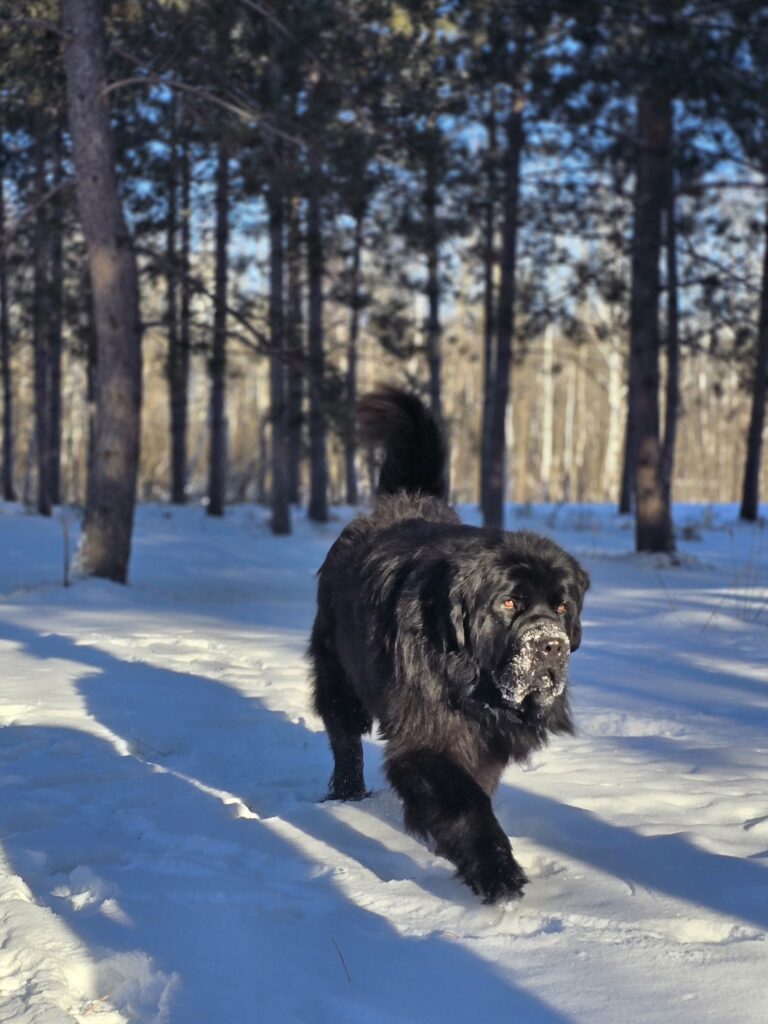
Large male black Newfoundland Dog walking in snow

The Newfoundland dog breed has a little bit of a mysterious origin.  They come from the island of Newfoundland, Canada, where they were primarily bred by fishermen to assist with their work at sea, utilizing their exceptional swimming abilities to perform water rescues and haul fishing nets due to their large size, thick double coat, and webbed feet; the breed’s exact ancestry is unknown, but likely involved a mix of native dogs (like the extinct American Black Wolf) and large working dogs brought by European settlers, particularly the Vikings, who may have introduced “big black bear dogs” to the area. 1

There is a legend that Napolean himself was saved by a Newfoundland when he fell overboard in in 1815 during his escape from Elba. 2

If you think about it, these dogs were bred to be great listeners, easy going on ships, watchful for the well being of the ships crew, ok with small quarters, and they are not afraid of a hard days work. How does this translate into a family pet. 3

 Newfies are easy to train (they are 100% people pleasers).

 Newfies are great with people (socialization is important but they are known as the “Nanny” dog)

Even though they are large and their thick double coats make them great for the cold weather and being outdoors, they are also considered good apartment dogs because they are ok with a moderate amount of exercise. 3

They love to play with their humans, both adult and kid alike and can be trained to pull sleds and carts (as they did on ships).

They are still used as water rescue dogs to this day. In fact, England for a time required two Newfoundland’s on staff at all lifeguard stations.

A little side note, most people associate Newfoundlands with color black, the breed can also be brown, gray, or black and white. The “Landseer” color pattern (black and white) is particularly notable, named after the English artist Sir Edwin Landseer who often depicted this variety in his paintings.4

These Gentle Giants are a wonderful addition to any family and especially those with kiddos.  They have been ranked as the number one family dog. 

Here at NorthStar Newfoundlands we hope to share our love of these dogs with you and your family.

  1. Newfoundland Club of America, I. (no date) That Dog on the Postage Stamp: Courage, Docility, and Faithfulness are Characteristics of the Newfoundland, A history of the development of the Newfoundland Breed. Available at: https://www.thenewfoundland.org/morris.html (Accessed: 15 January 2025).
  2. Reeves, S. (2023) 8 fun facts about Newfoundland Dogs, TrustedHousesitters. Available at: https://www.trustedhousesitters.com/blog/pets/newfoundland-dogs/?psafe_param=1&utm_source=google&utm_medium=cpc&utm_campaign=GoogleAds_Direct_Search_Brand%2BNon-Brand_US_Acquisitions&utm_content=Dynamic&gad_source=1&gclid=Cj0KCQiA1p28BhCBARIsADP9HrMZ0NNjKyooC7Y79xJeZ0oZpkinpBMKH-TB86g4e4fOgu2XAEgE2iYaAmf2EALw_wcB (Accessed: 15 January 2025).
  3. Coile, C. (2024) Newfoundland, Encyclopædia Britannica. Available at: https://www.britannica.com/animal/Newfoundland-dog (Accessed: 15 January 2025).
  4. Newfoundland dog (2024) Wikipedia. Available at: https://en.wikipedia.org/wiki/Newfoundland_dog#:~:text=An%20unnamed%20Newfoundland%20is%20credited,wreck%20of%20the%20brig%20Despatch. (Accessed: 15 January 2025).